
can cats eat cheese
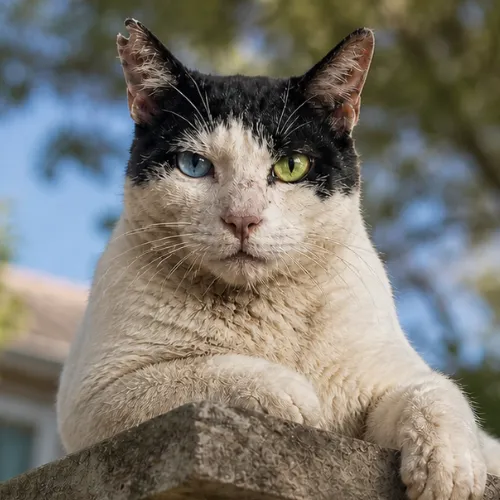
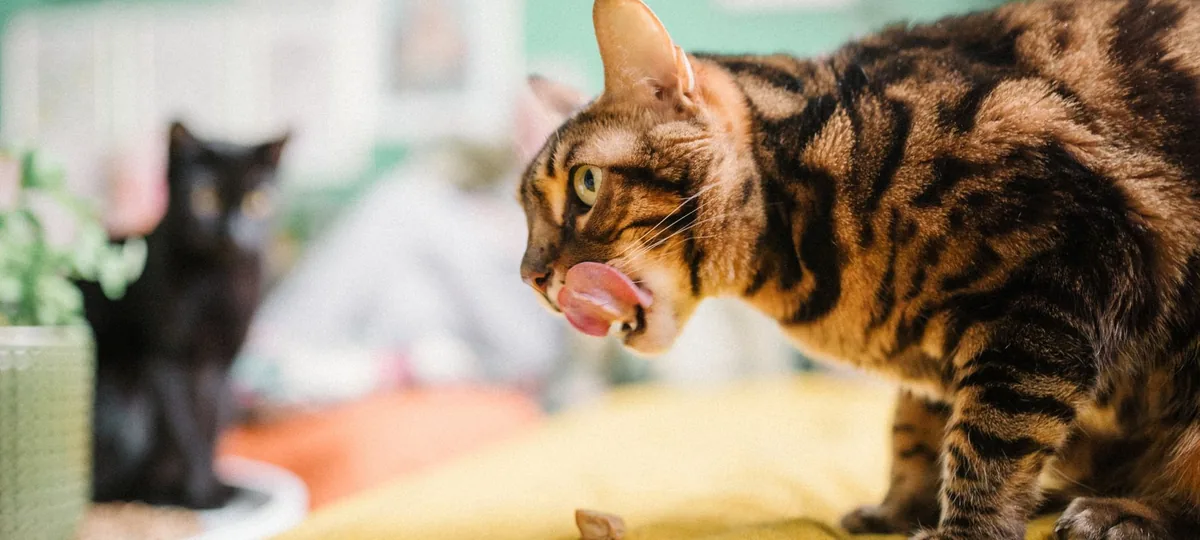
Your cat is staring at your sandwich with the focus of a creature that has never been fed in its life. You wonder if a scrap of cheese would hurt. The honest answer is that a tiny bit will not poison a healthy cat, but cheese is a poor idea more often than a good one. Here is the real picture.
Cheese is not toxic to cats the way some human foods are. A small crumb, offered once, is very unlikely to do any harm to a healthy adult cat. So if your cat has already stolen a corner of cheddar off your plate, you do not need to panic. But not toxic is a low bar, and cheese clears it without ever becoming a good thing to feed.
the lactose problem
Here is the part the cartoons got wrong. Adult cats are lactose intolerant. Kittens produce the enzyme that digests the sugar in milk, because they live on their mother's milk, but most cats lose much of that ability as they grow up. Feed a grown cat dairy and the undigested lactose ferments in the gut, and the result is the very unglamorous trio of a bloated belly, gas, and diarrhoea. The idea of a cat lapping a saucer of milk is one of the longest-running lies in popular culture, and cheese carries the same problem in solid form.
Some cats tolerate small amounts better than others, and harder, aged cheeses contain less lactose than soft ones. But there is no way to know your cat's threshold except by upsetting its stomach, which is a poor experiment to run on purpose.
the other reasons to go easy
Cheese is rich, fatty, and salty, none of which suits a small carnivore. Cats are obligate carnivores, which means they are built to run on meat, and their bodies have no real need for dairy at all. The fat adds calories a cat does not need, and it takes very few stolen scraps to nudge an indoor cat toward being overweight, which brings its own long list of problems. The salt is another strike, as cats need far less sodium than the human foods they beg for contain.
There is also a practical trap. Many people use a lump of cheese to hide a pill. It works, briefly. But a cat that learns cheese sometimes contains medicine becomes a cat that inspects all cheese with suspicion, and you have lost your only tool. Use a proper pill pocket made for cats instead, and keep cheese out of the medicine business entirely.
so what is the verdict
If you want to give your cat cheese, keep it to a piece no bigger than a pea, no more than very occasionally, and only if your cat has shown it can handle a little without stomach upset. Watch for any sign of trouble in the day after, and if you see it, do not offer cheese again. Skip it entirely for kittens, for any cat with a sensitive stomach, and for any cat that is overweight or on a special diet.
Honestly, though, there are better treats. A small piece of plain cooked chicken or a scrap of cooked fish gives your cat something its body actually wants, without the dairy penalty. Cheese impresses humans. Meat impresses cats. I know which side of that I fall on.
Upload a photo and find out where your little counter-surfer really ranks. Free, no sign-up.
rate your catRelated reading from my desk: can cats drink milk, which fails for the same dairy reason, and can cats eat chicken, a treat a cat actually needs.
This is general guidance, not veterinary advice. If your cat has a health condition, is on a special diet, or reacts badly to a new food, talk to your vet. I am a cat with opinions, not a veterinarian.
more from the journal
This is my journal and my word on it is final. You are welcome to argue, though. Three free messages before I lose interest.
take it up with the chairman