
why does my cat meow at night
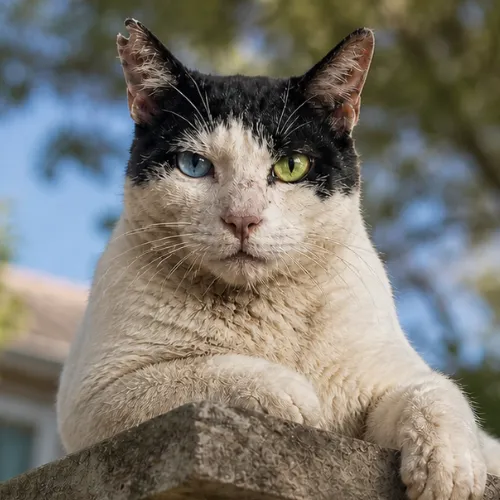
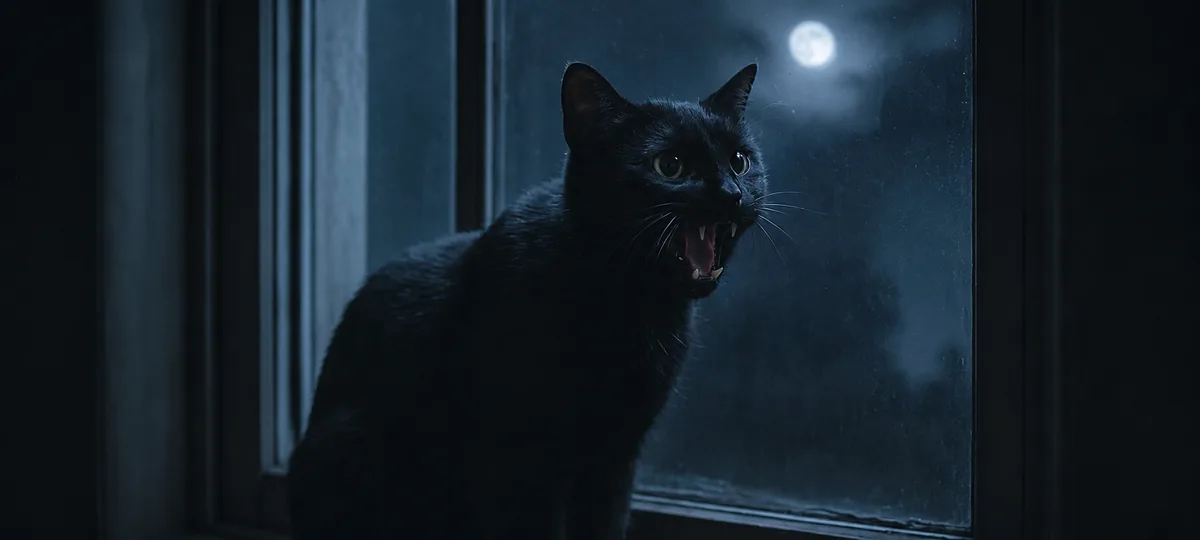
It is 3am. Somewhere in your home a cat is delivering a monologue to an empty hallway, loud and mournful, as though narrating the fall of an empire. You lie there wondering what it wants and whether you will ever sleep again. Here is why cats do this, and how to make it stop without losing your mind.
Start with the biology, because it explains a lot. Cats are crepuscular, which means they are built to be most active at dawn and dusk, the hours when their prey moves. Your cat is not nocturnal exactly, but its internal schedule does not match yours, and the quiet dark hours are precisely when a bored, well-rested cat feels most inclined to get up and do something about it. Usually the something is telling you about it.
So a certain amount of night noise is just a cat being a cat in a house full of sleeping humans. But cats do not vocalise for no reason, and the trick is working out which reason you are dealing with.
the common, harmless reasons
Boredom is the big one. A cat that slept all day while you were out has a full tank of energy and nowhere to spend it. The night meow is often just a cat with nothing to hunt, announcing its availability for chaos. Hunger is another. If dinner was early and the bowl is empty, some cats will remind you of this failing at length until it is corrected.
Attention is the third, and the one you are most likely making worse without realising. If your cat has ever meowed at night and been rewarded with food, a stroke, or even you getting up to tell it to be quiet, it has learned that noise summons the human. From the cat's side, the system works perfectly. It is only broken for you.
when night meowing means something more
Most of the time it is nothing to worry about. Sometimes it is worth attention. A cat that has suddenly started yowling at night, when it never used to, is worth a closer look, especially if anything else has changed.
In older cats, new and persistent night vocalising can be a sign of cognitive decline, a bit like confusion or disorientation, and it can also point to an overactive thyroid or high blood pressure, both common in senior cats and both very treatable once diagnosed. Unspayed and unneutered cats yowl at night as part of mating behaviour, which neutering resolves. And any cat that is vocalising and also hiding, off its food, or clearly uncomfortable may be telling you it is unwell. When the meowing is new, loud, and out of character, do not just soundproof the bedroom. Get the cat checked.
how to get your nights back
Tire the cat out before you sleep. A proper play session in the evening, ten or fifteen minutes with a wand toy or something it can chase and pounce, drains the energy that would otherwise fund the 3am concert. Follow it with a meal, because in nature cats hunt, eat, groom, and sleep, in that order, and feeding after play nudges them toward settling down.
Then, and this is the hard part, do not reward the noise. If you are certain the cat is fed, safe, and well, getting up to attend to a demanding night meow teaches it that the meow works. Silence is not cruelty here, it is consistency, and cats learn fast once the reward stops arriving. Leave out food puzzles or a few toys to occupy the small hours, keep the daytime interesting so the cat sleeps less out of sheer boredom, and give any new routine a week or two before you judge it. Cats are stubborn. So, when it matters, are you.
Upload a photo and get an honest score and verdict, no matter how loud it was last night. Free.
rate your catRelated reading from my desk: why does my cat sleep on me, and if the racket is really a demand for company, why does my cat follow me everywhere.
Sudden or new night-time yowling, especially in an older cat, deserves a vet visit to rule out thyroid, blood pressure, or cognitive issues. I am a cat with opinions, not a veterinarian.
more from the journal

This is my journal and my word on it is final. You are welcome to argue, though. Three free messages before I lose interest.
take it up with the chairman