
why does my cat sleep so much
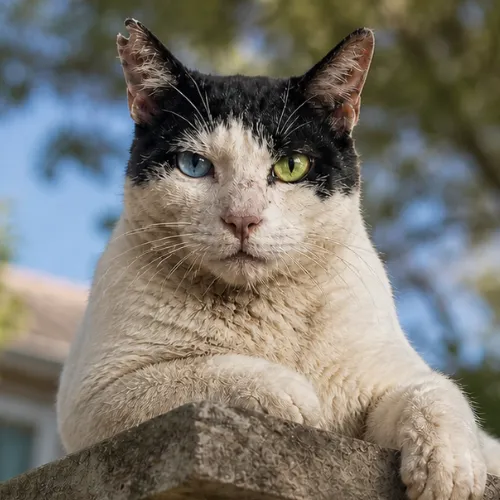
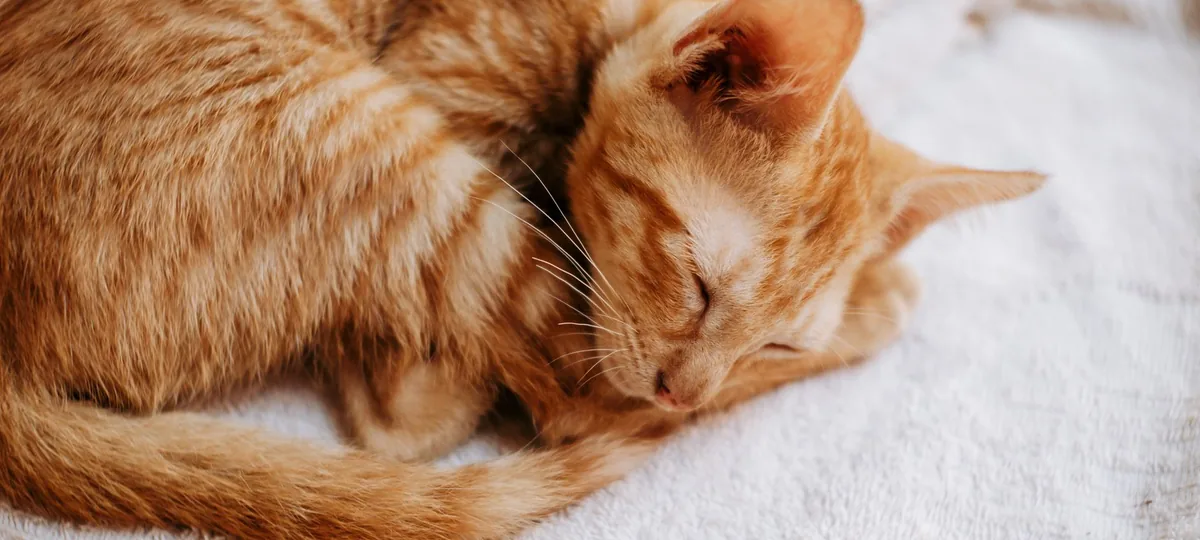
You look over and the cat is asleep. You look again an hour later and it has moved to a warmer spot and gone back to sleep. It seems to do very little else, and you start to wonder whether this is normal or whether something is wrong. In almost every case, nothing is wrong. Sleeping is the job. Here is why cats sleep as much as they do.
A healthy adult cat sleeps a great deal, commonly somewhere in the region of twelve to sixteen hours a day, and many sleep even more than that. Kittens and older cats sleep more still. So if it feels like your cat is asleep most of the time, that is because it more or less is, and it is doing exactly what a cat is supposed to do. The amount that looks alarming to a human is ordinary for a cat.
why cats need all that sleep
The reason is written into what a cat is: a predator. Hunting, even the practice version at your window or the real thing in the garden, demands short, intense bursts of speed, focus, and explosive energy. That kind of effort is expensive, and an animal built around it needs to conserve energy the rest of the time, banking reserves between hunts. Long stretches of rest are not laziness but strategy, the other half of a lifestyle whose active half is brief and violent.
Cats are also crepuscular, most naturally active around dawn and dusk when their prey moves, which means the middle of the day and the depths of the night are prime sleeping hours. This is the same wiring behind a cat's tendency to wake and roam at odd hours, and it explains why your cat can sleep through your entire working day and then find its energy precisely when you are trying to sleep.
Not all of that time is deep sleep, either. Much of a cat's rest is a light doze, the famous cat nap, in which it stays alert enough to react in an instant, ears still swivelling toward sounds, ready to wake fully at the first sign of prey or threat. Only some of its sleep is the deep, restorative kind. So a cat that appears to sleep sixteen hours is often part asleep and part on standby, which is a very cat compromise between resting and never quite being off duty.
when too much sleep is a warning
Here is the part to keep an eye on, because while lots of sleep is normal, a change in sleep can be one of the first signs a cat is unwell. Cats are experts at hiding illness, so the signal is rarely dramatic, and often it is a shift in the usual pattern rather than the raw number of hours.
Be alert if your cat is suddenly sleeping much more than its normal amount, or seems not just restful but genuinely lethargic, sluggish, and hard to rouse. Watch for sleep changes that come alongside other signs, such as eating or drinking less or more than usual, losing weight, hiding away, stopping its grooming, or a general loss of interest in things it used to enjoy. A cat that is simply a champion sleeper wakes easily, eats well, plays when invited, and is its normal self between naps. A cat whose sleep has changed and who also seems off in other ways is a cat to have checked. In older cats especially, a marked increase in sleeping is worth a vet visit rather than a shrug.
Most of the time, though, the answer to why your cat sleeps so much is gloriously simple. It is a small predator with a slow, luxurious life and no reason to be awake for your benefit. Let it sleep. It has earned nothing, and it intends to enjoy every hour of it.
Upload a photo and get an honest score and verdict, loaf form very much on the scorecard. Free.
rate your catRelated reading from my desk: why does my cat sleep on me, on where all that sleeping happens, and why does my cat meow at night, on the hours it chooses to be awake instead.
A sudden, marked increase in sleeping or lethargy, especially with appetite, weight, or behaviour changes, warrants a vet visit. I am a cat with opinions, not a veterinarian.
more from the journal
This is my journal and my word on it is final. You are welcome to argue, though. Three free messages before I lose interest.
take it up with the chairman