
can cats see in the dark
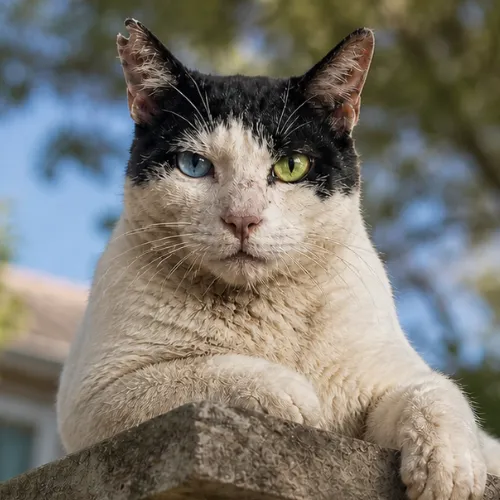
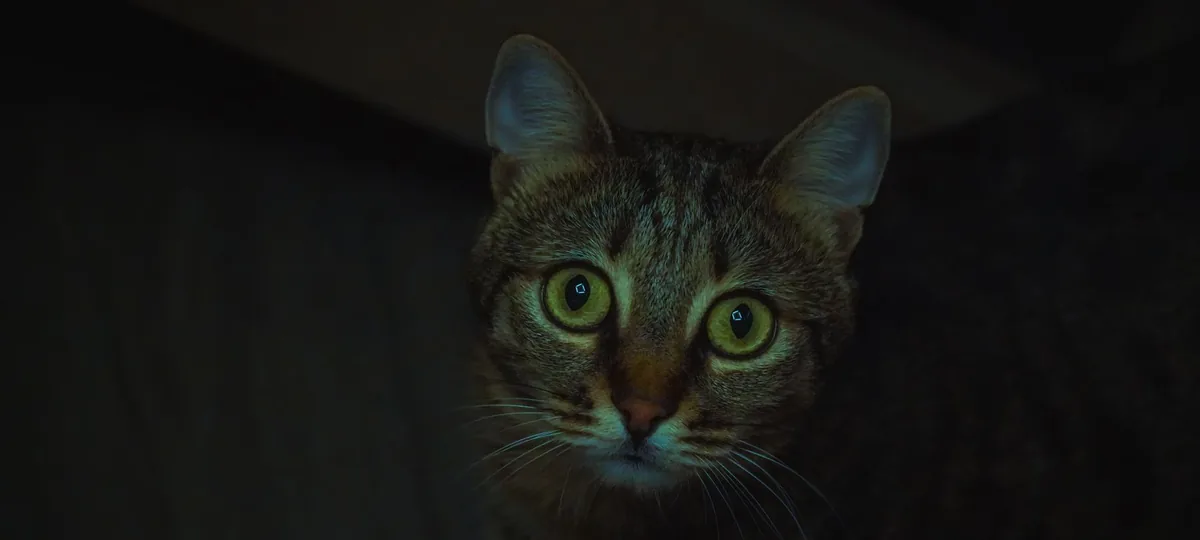
You get up in the night, stub your toe on the same chair as always, and there is the cat, moving through the black house with perfect confidence, watching you fail. It certainly looks like cats see in the dark. The truth is more precise and more interesting: cats cannot see in total darkness, but in the gloom where you are effectively blind, we see beautifully. Here is how, and why.
Let us kill the myth cleanly first, since myth-killing is a service I provide. No cat can see in complete, total darkness. Vision of any kind needs at least a little light to work with, and in a truly lightless room a cat is as blind as you are. So the popular idea that cats have some magical night-vision that works with no light at all is simply wrong. What cats have is something more useful in the real world, where total darkness is rare and dim light is everywhere.
why cats see so well in low light
In the low light of dusk, moonlight, or a dark house with a sliver of glow from a window, a cat sees far, far better than a human, and the advantage is built into the eye. A cat needs only a fraction of the light a person does to make out its surroundings, which is why your cat navigates a room you find pitch black.
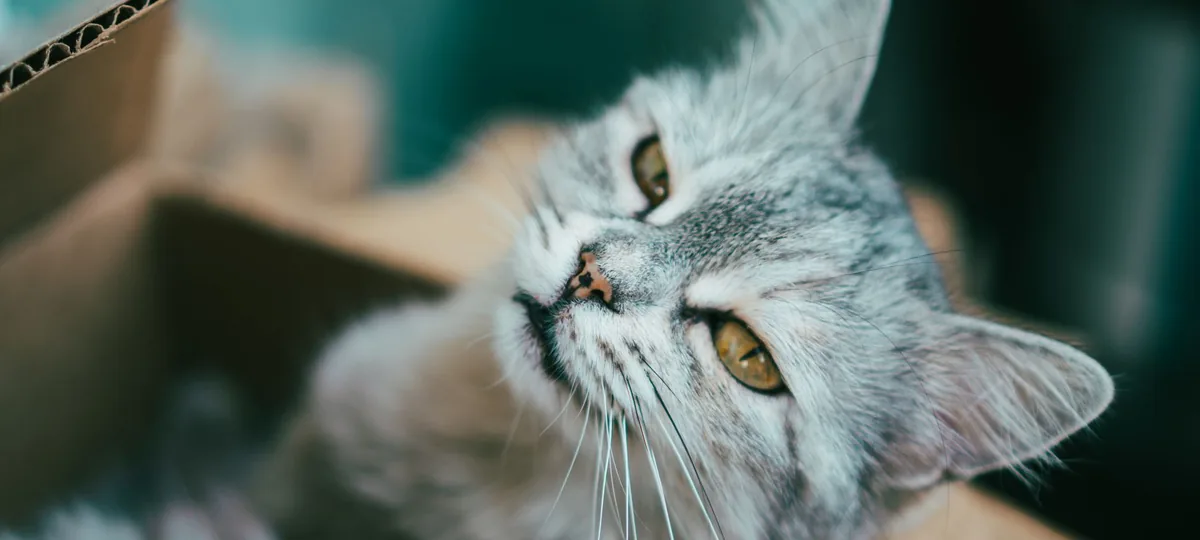
Several features stack up to make this happen. A cat's eyes hold a high proportion of rod cells, the light-sensitive cells that handle vision in dim conditions and detect movement, so a cat gathers far more out of faint light than a human eye can. The pupils open enormously, those huge black discs you see at night, letting in as much of the available light as possible. And behind the retina sits a reflective layer called the tapetum lucidum, which bounces light that has already passed through the eye back for a second chance to be detected. That mirror is also why a cat's eyes flash back at you in a torch beam or a camera flash: you are seeing light reflected off the very structure that gives cats their night sight.
On top of all that, cats have a wider field of view than humans and are especially good at catching the smallest movement in low light, which is exactly what a hunter of dawn and dusk needs. Everything about the cat's eye is tuned for the hours around darkness, when its prey is on the move and its rivals are not.
what cats give up for their night sight
Nature rarely gives without taking, and a cat's superb low-light vision comes with trade-offs in daylight and in detail. Cats do not see colour the way we do; their world is less vivid, tuned more to movement and contrast than to a rich palette. They also do not see fine detail as sharply as humans, and most cats are somewhat short-sighted, better at judging a nearby pounce than reading a distant sign. What looks to you like a slightly blurry, muted, motion-focused world is the price of eyes optimised for the dark.
So the honest answer sits between the myth and the dismissal. Your cat cannot see in true darkness, but give it the faintest trace of light and it moves through the night with an ease you will never match, watching, judging, and quietly enjoying your inability to find the chair. It is not magic. It is simply a better eye for the job a cat was made to do, and one more reason the small creature asleep on your bed is more formidable than it looks.
Upload a photo and get an honest score and verdict on your eyes-in-the-dark hunter. Free, no sign-up.
rate your catRelated reading from my desk: do cats really have nine lives, another myth put down, and why does my cat meow at night, on what it gets up to while you sleep.
Sudden bumping into things, cloudy eyes, or a cat that seems newly unsure in dim light can signal a vision problem, worth a vet check. I am a cat with opinions, not a veterinarian.
more from the journal
This is my journal and my word on it is final. You are welcome to argue, though. Three free messages before I lose interest.
take it up with the chairman