
signs your cat is in pain
Cats are experts at hiding pain. It is one of our oldest survival instincts, and it means a cat can be genuinely unwell or hurting while looking, to a casual eye, almost normal. That makes you, the person who knows your cat best, its early warning system. Learning the quiet signs of a cat in pain is one of the most useful things you can do for it. Here they are.
Understand first why this matters so much. In the wild, an animal that shows weakness invites attack, so cats evolved to mask pain and illness for as long as they possibly can. Your cat is not being brave or stoic in a way it chooses; it is running an instinct that hides suffering by default. The practical result is that by the time a cat looks obviously ill, it has often been unwell for a while. So the signs to watch for are subtle, and the rule is simple: a cat in pain almost always changes, and any real change in your cat is worth taking seriously.
changes in behaviour and routine
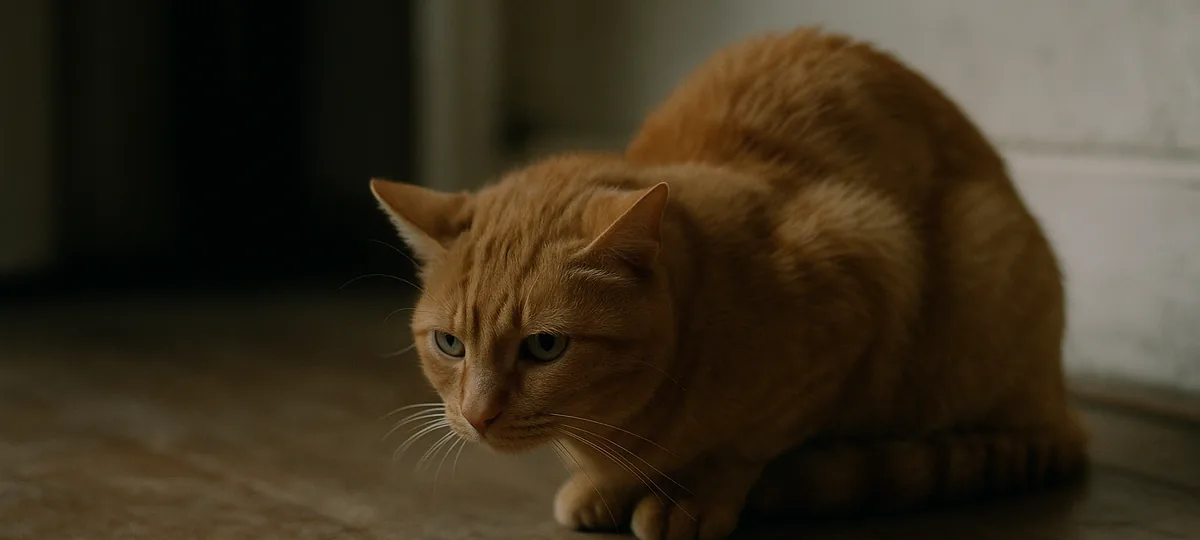
Much of the earliest evidence is behavioural. A cat in pain often hides more, retreating to quiet, out-of-the-way spots and withdrawing from the household in a way it did not before. It may become less active, reluctant to jump up to its usual perches, slower on the stairs, or simply less interested in play and the things it used to enjoy. Some cats go the other way and become restless or unsettled, unable to get comfortable. Sleep patterns may shift. And a normally friendly cat may turn irritable or even aggressive, especially when touched or picked up, or flinch and pull away when a particular area is handled, which is one of the clearer pointers to where it hurts.
changes in grooming, posture, and face
A cat's coat and body tell a story. A cat in pain may stop grooming properly, leaving its coat looking dull, greasy, or unkempt, since grooming takes energy and movement it would rather not spend. Others do the opposite and over-groom a specific spot, licking obsessively at a painful area until the fur thins. Watch the posture too: a hunched position, a tucked-up belly, tense muscles, or a reluctance to move or stretch can all signal discomfort. Even the face changes, and cats in pain often show it through narrowed or squinted eyes, flattened or tense ears, and a generally strained expression, subtle but real once you know to look.
changes in eating, drinking, and the litter tray
Appetite is a sensitive gauge. A cat in pain frequently eats less, or stops eating altogether, and dental pain in particular can make a cat approach food eagerly then back away, drop food, or chew oddly. Changes in thirst can occur too. The litter tray is another important window: straining, crying, or spending a long time in the tray, going outside the box, or changes in what it produces can all point to pain or illness, and difficulty or straining to urinate in particular can be an emergency, especially in male cats. Any marked change in eating, drinking, or toileting deserves attention.
the sounds, and the trap of silence
Some cats in pain vocalise more, crying, yowling, or growling, particularly when moving or when a sore area is touched. Others go unusually quiet and still. And here is a trap worth knowing: a cat may purr while in pain, because purring is also a self-soothing behaviour, as covered in why do cats purr, so a purring cat is not automatically a comfortable one. Read the whole animal, not any single sign.
what to do
Because cats hide pain so well, the safest approach is a low threshold for concern. If your cat is showing any of these signs, or has simply changed in a way you cannot explain, do not wait to see if it passes, and above all do not give it human painkillers, many of which are highly toxic to cats and can kill. Instead, call your vet. Pain always has a cause, and finding and treating that cause early is far better for your cat than hoping it recovers on its own. You know your cat's normal better than anyone. Trust that knowledge, watch for the quiet changes, and act on them. It is the kindest thing you can do for an animal built to suffer in silence.
Upload a photo and get an honest score and verdict on your much-loved companion. Free, no sign-up.
rate your catRelated reading from my desk: why does my cat sleep so much and why is my cat sneezing, on reading changes in a cat.
This article is general information, not a substitute for veterinary care. If you think your cat is in pain, see a vet, and never give a cat human painkillers, many are toxic to cats. I am a cat with opinions, not a veterinarian.
more from the journal
This is my journal and my word on it is final. You are welcome to argue, though. Three free messages before I lose interest.
take it up with the chairman