
why does my cat get the zoomies
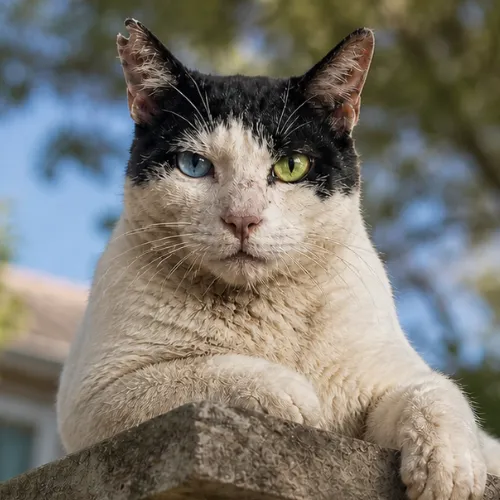
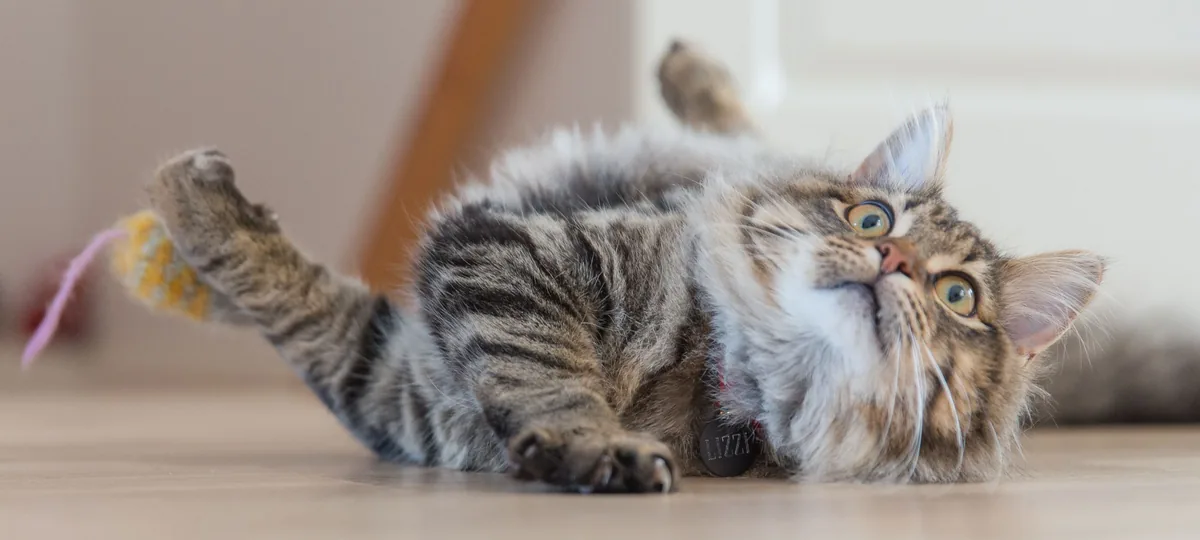
Everything is calm. Then, with no warning, your cat launches into a full-speed lap of the house, off the sofa, up the hall, over the cat, eyes wild, tail up, before stopping as suddenly as it started and washing a paw as if nothing happened. Humans call these the zoomies. They look unhinged. They are almost always completely normal. Here is what is going on.
Behaviourists have a drier name for the zoomies: frenetic random activity periods. Whatever you call them, they are short bursts of intense, high-speed activity that come out of nowhere, run for a minute or two, and end just as abruptly. They are a normal part of cat life, especially in young, healthy cats, and most of the time they are nothing to worry about at all. They are simply a cat spending energy that has built up with nowhere to go.
the usual, harmless reasons
The most common driver is pent-up energy. Cats are built for short, explosive bursts of hunting effort, and an indoor cat that has spent much of the day resting, watching, and sleeping accumulates energy that has to be discharged somehow. The zoomies are that discharge, a sudden release of stored fuel through the nearest available hallway. This is why they tend to strike cats that have been under-exercised or under-stimulated, and why a bored indoor cat often zooms more than a busy one.
Timing gives away another cause. Zoomies frequently hit around dawn and dusk, when a cat's hunting instincts naturally peak, and often at night, which is why so many humans are woken by a cat doing laps in the dark. This is the same crepuscular wiring that has your cat most active at odd hours. There is also the famous post-litter-box zoom, the mad dash a cat does straight after using the tray, which is common, generally harmless, and has several proposed explanations, none of them dignified. And plain play and excitement will do it too, since sometimes a cat is just having fun.
when the zoomies are worth a second look
Most zoomies need no fixing. A few patterns deserve attention. If an older cat suddenly develops frequent, frantic zoomies when it never used to, that change is worth a vet visit, because conditions such as an overactive thyroid can make a cat restless and hyperactive. If the zoomies come with obvious itching, over-grooming, or a cat that seems to be fleeing its own back end, fleas or a skin irritation can be the trigger, and that is worth checking too. And zoomies that tip into genuine distress or aggression rather than play are a signal to look closer. The ordinary young-cat zoom, though, brief, joyful, and followed by a nap, is just a cat being a cat.
how to manage them
You cannot, and should not, stop a cat having zoomies, but you can take the edge off the 3am variety by giving the energy an earlier, better outlet. A proper play session in the evening, ten or fifteen minutes chasing and pouncing on a wand toy, drains the fuel that would otherwise power a midnight lap of the house, and following it with a meal nudges the cat toward settling. Keep the daytime interesting with toys, climbing spots, and things to watch, so a bored cat has less stored energy to unleash. And when the zoomies do strike, give the cat clear space, move anything fragile, and let it run. It will be over in a minute, and the cat will emerge from it entirely satisfied, as though it had not just sprinted across your face.
Upload a photo and get an honest score and verdict, mid-zoom energy and all. Free, no sign-up.
rate your catRelated reading from my desk: why does my cat sleep so much, the other half of the same energy budget, and why does my cat meow at night.
Sudden, frantic zoomies in an older cat, or zoomies with itching or over-grooming, can point to a thyroid problem, fleas, or skin irritation, worth a vet check. I am a cat with opinions, not a veterinarian.
more from the journal
This is my journal and my word on it is final. You are welcome to argue, though. Three free messages before I lose interest.
take it up with the chairman