
why does my cat ignore me
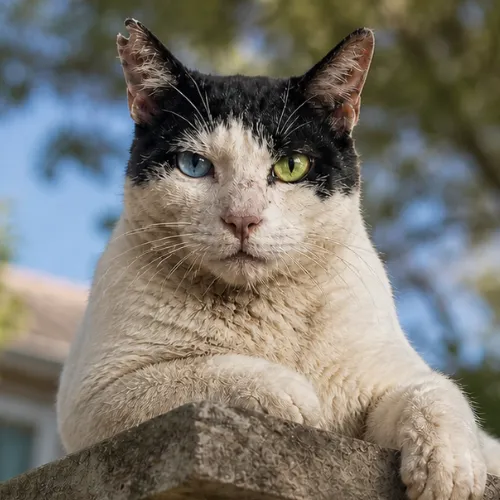
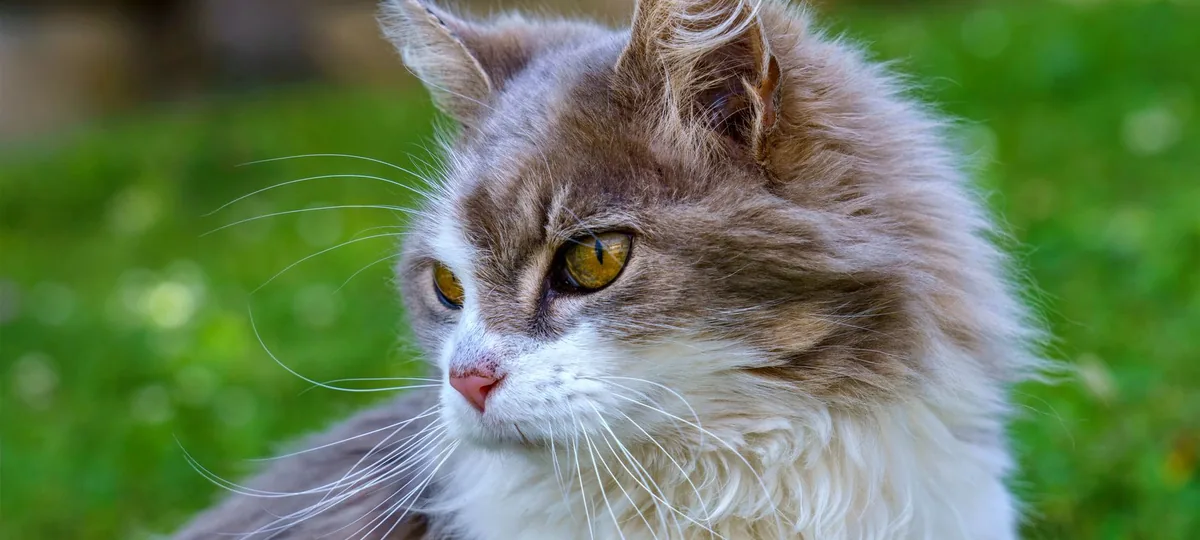
You call your cat by name. It does not so much as flick an ear. You know it heard you, because it heard the fridge open from another postcode, and yet here it sits, gazing through you as though you were a mildly interesting patch of wall. Take comfort: your cat is not ignoring you because it does not care. It is ignoring you because it can. Here is what is really going on.
Start with the reassuring science. Cats can recognise their own names. Studies have shown that cats distinguish their name from other, similar-sounding words, and many recognise their owner's voice specifically. So when your cat fails to respond, it is almost never because it did not understand or did not hear. It heard you. It knew you meant it. It simply exercised its right not to react, which is a very different thing from not caring.
independence, not indifference
The core of it is that cats are not built like dogs, and the comparison does them a disservice. Dogs were shaped over thousands of years to work alongside humans and to look to us for direction, so a dog that comes when called is doing what it was designed to do. Cats domesticated themselves on far more equal terms, kept their independence, and never developed the same instinct to obey. A cat responds to you when responding suits it, and the rest of the time it treats a summons as a suggestion. This is not a flaw. It is the deal you signed when you got a cat.
Communication style matters too. Cats show attachment quietly and on their own schedule, through choosing to be near you, sleeping on you, blinking slowly, and following you from room to room, rather than through the eager, obvious responsiveness of a dog. A cat that ignores your call but wanders in ten minutes later to sit on your keyboard has not rejected you. It has simply answered on its own terms, which is the only terms a cat recognises.
when the ignoring might mean something else
Usually the ignoring is pure cat character. Occasionally it points elsewhere. A cat that has become newly withdrawn, ignoring not just your calls but its food, its play, and its usual routines, and hiding more than normal, may be unwell or stressed rather than merely aloof, and that change is worth a vet visit. Take particular note if an older cat seems to be missing sounds it used to react to, because hearing loss is a real possibility in senior cats, and a cat that genuinely cannot hear you is not ignoring you at all. And a cat that suddenly seems anxious or shut down after a change in the household, a move, a new pet, a new person, may be telling you it is unsettled.
For the everyday version, though, the honest answer is the one you suspected. Your cat can hear you perfectly, knows its name, understands you want its attention, and has decided the moment does not warrant a reply. If you want more response, the reliable levers are the ones cats actually value: come with food, a favourite toy, or the particular scratch it likes, and reward the times it does come so that answering you carries a small benefit. But do not expect obedience, and do not read the aloofness as a lack of love. A cat that ignores you and then chooses, entirely unprompted, to curl up against you has paid you the only compliment it knows how to give. It just refuses to be summoned to do it.
Upload a photo and get an honest score and verdict on your magnificently aloof companion. Free.
rate your catRelated reading from my desk: why does my cat sleep on me and why does my cat knead me, the quiet ways a cat shows the love it will not perform on command.
New withdrawal paired with hiding, appetite changes, or apparent hearing loss can signal illness, especially in older cats, see a vet. I am a cat with opinions, not a veterinarian.
more from the journal
This is my journal and my word on it is final. You are welcome to argue, though. Three free messages before I lose interest.
take it up with the chairman