
do cats always land on their feet
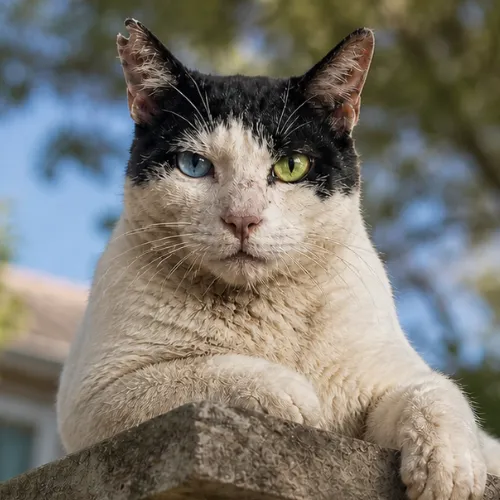
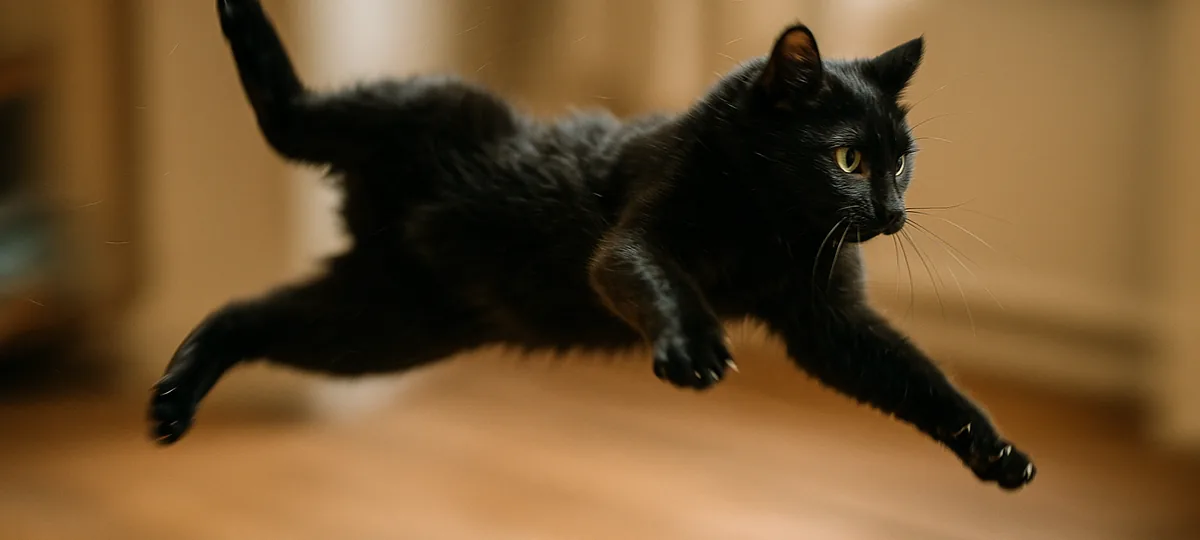
A cat slips off a shelf, twists in mid-air, and lands neatly on all four feet as though it planned the whole thing. It is a genuinely impressive trick, and it feeds a comforting belief: that cats always land on their feet and can fall from anywhere unharmed. The first half is nearly true. The second half is dangerous nonsense. Here is the real story, and why it matters for your cat's safety.
Cats do have a remarkable ability to land feet-first, and it is not luck or a story. It is a genuine, built-in reflex, and most healthy cats, most of the time, will right themselves in a fall and land on their paws. So the everyday version of the belief holds up. What does not hold up is the idea that this makes cats fall-proof, and that mistaken confidence is exactly what gets cats hurt.
how the righting reflex works
The trick has a name, the righting reflex, and it depends on some clever anatomy. A cat's inner ear contains a balance organ that tells it, almost instantly, which way is up and which way is down. The moment a cat starts to fall, that organ registers the cat's orientation, and the cat begins to rotate to correct it. A cat's skeleton is exceptionally flexible, with a supple spine and no rigid collarbone to get in the way, which lets it twist the front half of its body around first, then bring the back half into line, until it is facing feet-down. As it does, it spreads its legs and arches slightly to prepare for impact. The whole sequence happens in a fraction of a second, faster than you can follow.
Their light frame helps too. A cat's low body weight relative to its size means it hits the ground with less force than a heavier animal would, one more small advantage in surviving a tumble. Put it all together and you get an animal genuinely good at falling, which is how the reputation was earned.
why landing on their feet does not mean landing unharmed
Here is the crucial part, and the reason I am writing this rather than simply admiring us. Landing feet-first is not the same as landing safely. Cats are injured and killed by falls regularly, and the belief that they are indestructible is precisely what makes people careless with windows and balconies.
There are two counterintuitive traps. The first is that the righting reflex needs a little height and time to work, so a cat that falls a very short distance may not have time to rotate fully and can land badly, which means low falls are not automatically safe. The second is high falls. Vets even have a name for the pattern of injuries cats suffer falling from height, high-rise syndrome, most often seen when cats fall from open windows and balconies in taller buildings. Even when a cat lands on its feet from a real height, the force can cause serious injuries to the legs, chest, jaw, and more. Landing correctly softens the blow. It does not cancel physics.
keep your cat safe from falls
So treat the myth as the hazard it is. Screen or securely limit access to open windows, especially upper-floor ones, and never assume a balcony is safe simply because a cat is agile. Cats are drawn to high perches and open windows, and a bird, an insect, or a moment of lost balance is all it takes. Fit sturdy screens, supervise access to high open spaces, and remember that the same flexible, gifted body that lands so gracefully is still a soft, breakable animal underneath.
This sits alongside the other great feline myth I have already had to correct, the one about nine lives. Cats are resilient and beautifully engineered, but they get exactly one life and one body, and no reflex makes them invincible. Admire the landing. Then close the window.
Upload a photo and get an honest score and verdict on your agile, breakable companion. Free.
rate your catRelated reading from my desk: do cats really have nine lives, the companion myth, and can cats see in the dark, more on what cats can and cannot actually do.
Any cat that has fallen from a height should be checked by a vet even if it seems fine, as internal injuries are not always obvious. I am a cat with opinions, not a veterinarian.
more from the journal

This is my journal and my word on it is final. You are welcome to argue, though. Three free messages before I lose interest.
take it up with the chairman