
why does my cat hate closed doors
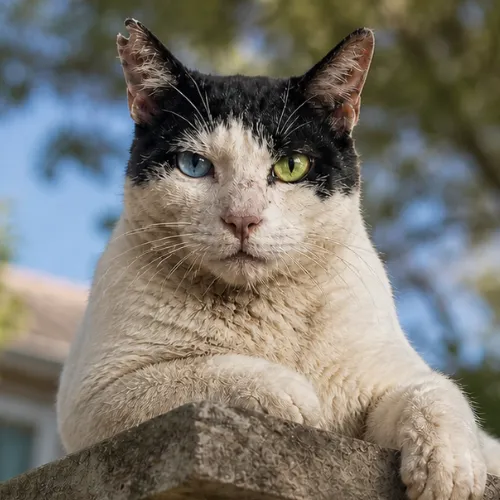
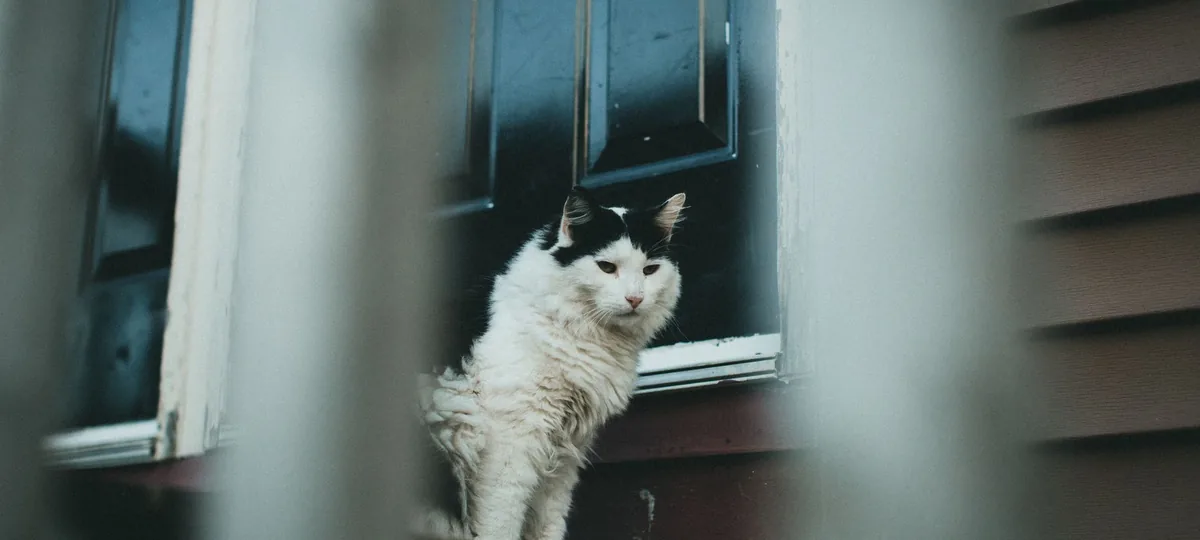
Close a door in your home and, within moments, a paw appears underneath it, followed by crying, then scratching, then a level of outrage usually reserved for genuine emergencies. Your cat does not even want to be in that room. It only wants the door open. This is one of the most reliable cat behaviours there is, and it comes from something real. Here is why cats cannot abide a closed door.
The short version is control. A cat regards your home as its territory, and a territory it can freely move through is one it feels safe in. A closed door removes a piece of that territory from the cat's control without warning or permission, and cats find the loss of access genuinely unsettling. It is less about wanting to be on the other side and more about not being allowed to choose. Take away a cat's options and it will protest, loudly.
territory, curiosity, and missing out
Several instincts pull in the same direction here. Cats are deeply territorial and like to patrol and monitor their whole domain, checking that everything is as it should be, and a room they cannot enter is a blind spot they cannot inspect. That is intolerable to an animal whose sense of security depends on knowing where everything, and everyone, is.
Then there is curiosity, which in cats is close to a governing law. A closed door is a mystery, and behind it something might be happening, something interesting, something involving food or warmth or you, and the cat cannot bear not to know. This is the same drive that has your cat accompanying you to the bathroom and investigating every bag you bring home. A shut door is curiosity's natural enemy.
And there is you. Cats form strong attachments, and if the closed door has you on the other side of it, the protest sharpens considerably, because now the cat has been separated from its human and cut out of whatever you are doing. Much of the crying at a bedroom or bathroom door is simple social objection: you went somewhere and did not bring the cat, an oversight the cat intends to see corrected.
should you give in
You do not have to open every door, and there are good reasons to keep some shut, but understanding the behaviour helps you handle it without either of you losing the plot. If the crying at a closed door is constant and distressed, especially when you are behind it, some of that is separation-related, and a cat that struggles badly with being apart from you may need help feeling more secure, which is worth raising with a vet or behaviourist if it seems extreme.
For the everyday version, the fixes are practical. Do not reward the drama, because a cat that learns crying and scratching gets the door opened will cry and scratch with total commitment forever. Give the cat plenty of territory it can freely access, so being shut out of one room matters less. Make the rooms it can use interesting, with perches, toys, and window views, so it is less fixated on the ones it cannot. And accept that for a cat, a closed door is not a neutral object but a small affront to its authority. You are, after all, sharing your home with an animal that believes all of it is hers, and the door is merely the place where that belief meets your need for privacy.
Upload a photo and get an honest score and verdict on your indignant little gatekeeper. Free.
rate your catRelated reading from my desk: why does my cat follow me to the bathroom and why does my cat headbutt me, more of a cat's need to claim and monitor its territory.
Extreme, distressed protest when separated from you can be a sign of separation anxiety, worth discussing with a vet or feline behaviourist. I am a cat with opinions, not a veterinarian.
more from the journal
This is my journal and my word on it is final. You are welcome to argue, though. Three free messages before I lose interest.
take it up with the chairman