
why does my cat knock things over? a confession
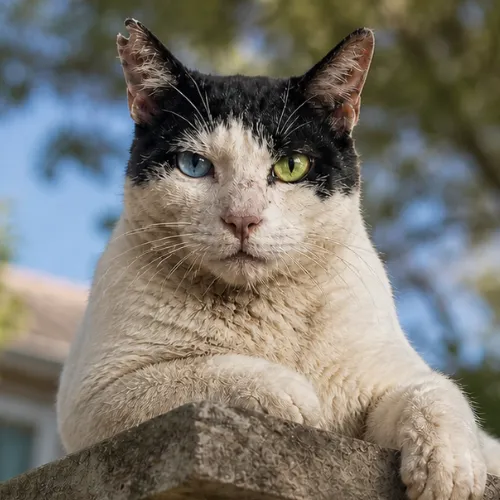
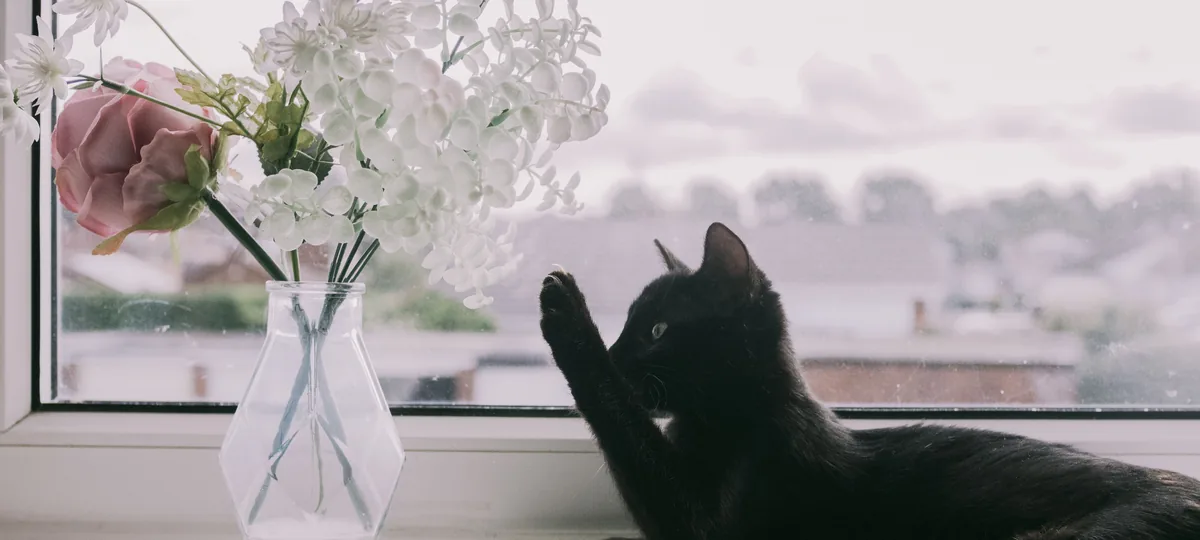
The glass was on the table. The cat looked at the glass. The cat looked at you. Then, holding eye contact the entire time, the cat placed one deliberate paw against the glass and pushed it off the edge. You want to know why. I am uniquely qualified to answer, because I have done this, I will do it again, and unlike your cat I am prepared to put the reasons in writing.
1. the paw is an instrument of science
Start with the honest biology. Cats investigate the world with their paws the way you use your hands, and a hunting cat pats at prey to test whether it is alive, dangerous, or worth the effort. A stationary object that might move is a question, and batting it is how the question gets answered. The glass, the pen, the chess piece: each is a small experiment. Does it move? Does it flee? Does it make a magnificent noise? The data must be collected. Gravity has never once failed to attend the experiment, which makes it our most reliable colleague.
2. it summons you, instantly, every time
Here is the part your cat would prefer I not publish. Knocking something off a table is the single most reliable human-summoning device ever discovered. You may ignore a meow. You may sleep through a stare. But the sound of your possessions meeting the floor produces a human within seconds, fully awake, saying our name. From our side of the transaction, that is not vandalism. That is a doorbell, and you always answer.
Cats are quick studies. If the flying glass earns attention, food, or even an entertaining shout, the behaviour is reinforced, and the next object is already selected. You taught us this. We merely took notes.
3. boredom, the honest culprit
A cat with nothing to hunt invents work, and demolition is satisfying work. Indoor cats especially carry a full day's hunting budget with nowhere to spend it. If the ornaments are suffering, the honest question is not what is wrong with the cat but what else is there to do around here. The answer, often, is nothing. Fix that before you fix the cat.
what actually reduces it
You cannot train the physics out of a cat, but you can lower the casualty rate considerably.
- Two real play sessions a day, wand toy, until the cat is done
- Puzzle feeders: make breakfast a hunt, not a handout
- A window perch, because outside is television
- Do not leap up when something drops: boring humans get fewer performances
- Give attention for polite requests, not percussion
- And breakables live in the cabinet now. This is surrender. Accept it.
One caution worth taking seriously: if the knocking-over arrives suddenly alongside restlessness, yowling, drinking more water, or weight loss, especially in an older cat, that pattern can point at an overactive thyroid or other medical mischief, and it earns a vet visit rather than a lecture.
the part where i defend my profession
On this website there is a scoring category for exactly this energy. It is called gremlin factor, and it measures, in the judges' own words, how likely a cat is to push a vase off a shelf out of spite. I would quibble with the word spite. It is not spite. It is editorial control over a cluttered landscape. But I concede the category is measuring something real, and your cat almost certainly has a number.
Upload a photo and I will score it out of 100, vase-shoving likelihood included, with my verdict in writing.
rate your cat freeRelated reading from my desk: why does my cat bite me and why does my cat stare at me. Complaints about this article can be lodged with me directly, three free messages, after which the fee applies and the complaint is dismissed.
The obvious note: behaviour writing with jokes attached, not veterinary advice. Sudden hyperactivity with weight loss or extra thirst, particularly in a senior cat, means a vet visit.
more from the journal
This is my journal and my word on it is final. You are welcome to argue, though. Three free messages before I lose interest.
take it up with the chairman