
why does my cat stare at the wall
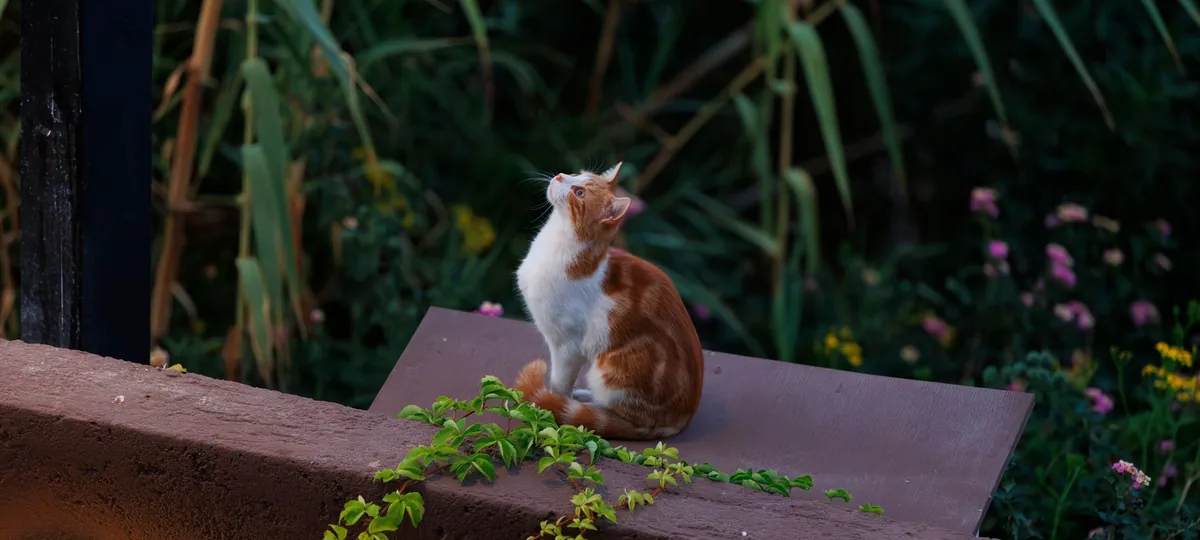
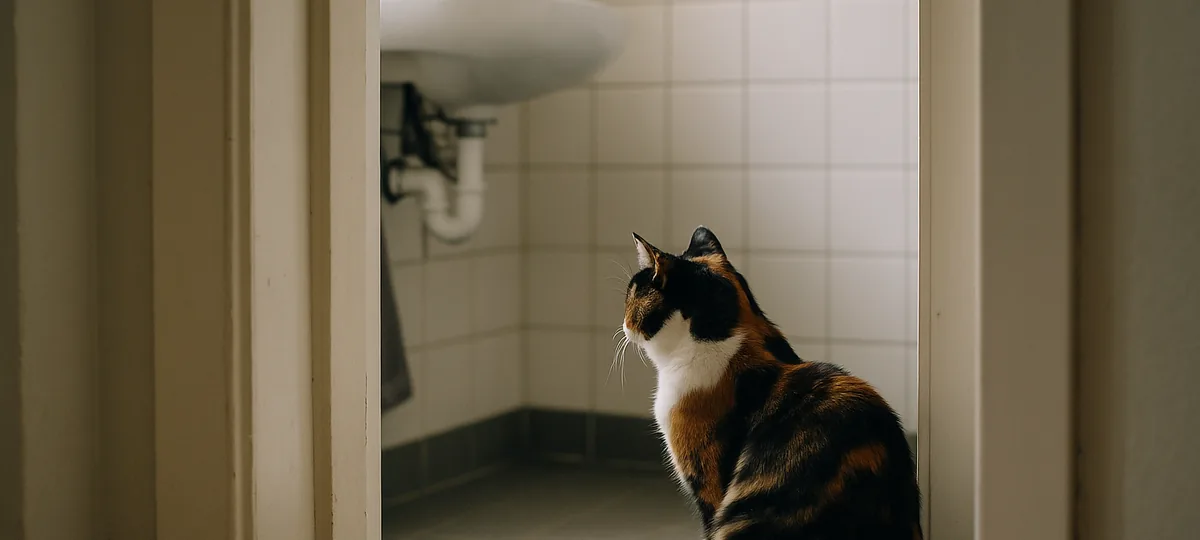
Your cat is sitting bolt upright, staring intently at a blank patch of wall as though something is there, and there is nothing there, and it is faintly unsettling. Relax, mostly. The usual explanation is simple and harmless: your cat can sense things you cannot. But there are a few cases where wall-staring is worth a closer look, and it is worth knowing which is which. Here is the full answer.
Begin with the reassuring truth, which covers the great majority of wall-staring. A cat's senses are far sharper than yours, and it is almost certainly reacting to something real that you simply cannot detect. To you the wall is blank. To the cat it may be alive with information.
what the cat is probably sensing
Hearing is the usual culprit. Cats hear far more than we do, higher frequencies and much fainter sounds, so your cat may be listening to something moving inside or behind the wall, a mouse in the cavity, an insect, pipes ticking, faint electrical hums, or noises from next door that never reach your ears. What looks like staring at nothing is often intent listening, the eyes fixed while the ears do the real work. This ties into the sharp senses covered in why do cats have whiskers and a cat's remarkable low-light vision.
Sight and smell play their part too. A cat may be watching something too small or too faint for you to notice, a tiny insect, a shadow, a drifting speck of dust catching the light, a flicker of movement at the edge of the skirting. Cats are exquisitely tuned to small movement, so a mote you would never register can hold a cat's full attention. And sometimes, frankly, a cat is simply resting with its eyes open, zoned out and gazing at nothing in particular, the feline equivalent of staring into space. Not every stare has a target.
when wall-staring is worth attention
Most wall-staring is harmless, but a few patterns deserve a vet's eye, especially when the behaviour is new, prolonged, or comes with other changes. In older cats, repeated staring at walls or into corners, particularly alongside signs like confusion, disorientation, pacing, getting stuck in corners, or new night-time yowling, can be a sign of cognitive decline, a kind of feline dementia, and is worth discussing with your vet. Blank, unresponsive staring spells, where the cat seems to switch off and does not react to you, can occasionally be a form of seizure or another neurological issue, and high blood pressure or other illness can sometimes cause a vague, staring demeanour too. Pain or nausea can leave a cat sitting hunched and staring blankly as well.
There is one specific thing to rule out that is genuinely urgent, and it is easy to confuse with ordinary staring: head pressing, where a cat stands and pushes the top of its head against a wall and holds it there, often looking distressed. As explained in why does my cat headbutt me, that is not curiosity or a normal stare but a sign of a serious neurological problem and a reason to see a vet urgently. A cat calmly watching a wall is one thing. A cat pressing its head against the wall and staying there is another entirely.
So read the whole picture. A healthy cat that occasionally fixes on a wall, ears working, then loses interest and moves on, is almost always just sensing something beyond your reach, and there is nothing to fix and quite a lot to admire. It is only when the staring becomes frequent, prolonged, unresponsive, or paired with confusion, other symptoms, or head pressing that it moves from a charming quirk to a reason to call the vet. Watch the cat, not just the wall.
Upload a photo and get an honest score and verdict on your mysterious little watcher. Free, no sign-up.
rate your catRelated reading from my desk: why does my cat stare at me, on the stares aimed your way, and signs your cat is in pain.
Prolonged or unresponsive staring, confusion in an older cat, staring spells, or head pressing all warrant a vet visit, head pressing urgently. I am a cat with opinions, not a veterinarian.
more from the journal
This is my journal and my word on it is final. You are welcome to argue, though. Three free messages before I lose interest.
take it up with the chairman