
how to take care of a kitten

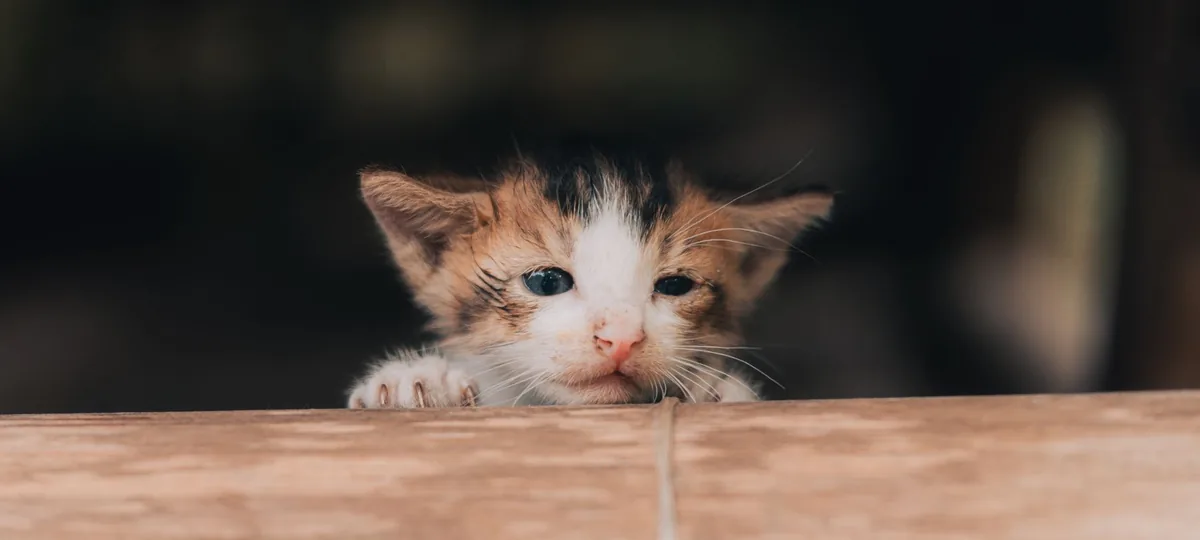
So you have acquired a kitten. A small, loud, incontinent creature with no sense of dignity and a talent for finding the one wire you did not tape down. I was a kitten once. I do not recommend the experience for anyone, least of all the human in charge of it. But you are here now, and the kitten is your responsibility, so here is how to keep it alive, healthy, and on course to become a cat worth knowing.
The first thing to understand is that a kitten is not a small cat so much as a cat under construction. Everything you do in these early weeks, the food, the handling, the routine, shapes the animal it becomes. Get it right and you raise a confident, well-mannered cat. Get it wrong and you raise a menace. No pressure.
the first day: less is more
Resist the urge to show the kitten its magnificent new kingdom all at once. A whole house is overwhelming to something that small. Set it up in one quiet room with food, water, a litter tray, a bed, and a place to hide, and let it come out on its own terms. Sit on the floor, be boring, and wait. A kitten that approaches you is worth ten that you chased. Give it a day or two to decide the room is safe before you widen its world. If you already have a resident cat, do not simply introduce them and hope; there is a right way to do it, which I have explained in how to introduce two cats, and rushing it is how you start a war.
see a vet early
This is the part people put off and should not. A kitten needs a vet visit early for a health check, a vaccination schedule, and deworming, because kittens very commonly carry worms and other parasites. Your vet will set out the timing for vaccinations and boosters, discuss microchipping so the kitten can be found if it wanders, and talk to you about neutering, which is done earlier than most people expect and prevents a great deal of trouble later. Write the dates down and keep them. A kitten that misses its early vet care is a kitten gambling with its health, and it is not the one placing the bet.
feed it properly, and often
Kittens are not small adults at the dinner table either. They grow at a ferocious rate and need food made for kittens, which is richer in the protein, fat, and calories that growth demands. Feed it little and often, several small meals across the day rather than one large one, because a kitten's stomach is tiny and its energy needs are not. Follow the portions on the food and adjust as it grows, and always leave fresh water out. When the time comes to move it onto adult food, do it gradually. I have laid out portion sense in how much should i feed my cat.
And here is the one every human gets wrong, so I will say it plainly: do not give it a saucer of cow's milk. It is the most persistent myth in cat ownership and it is false. Most kittens lose the ability to digest milk as they wean, and a bowl of it buys you nothing but an upset stomach and a mess to clean. The full explanation is in can cats drink milk. Water and proper kitten food. That is the menu.
the litter tray
Most kittens take to a litter tray with very little instruction, because the instinct to bury is built in. Give it a low-sided tray it can climb into easily, keep it in a quiet, accessible spot well away from its food and water, and show it the tray after meals and naps. Keep it clean, because a kitten will refuse a dirty tray as readily as any adult cat, and if it starts going elsewhere the tray is usually the reason. One tray per cat plus a spare is the rule once your household grows.
play, and teach it manners
A kitten has an alarming amount of energy and it will spend it whether you help or not, so give it the right outlets. Play with it every day using wand toys, balls, and things it can chase and pounce on, which burns the energy, builds its coordination, and does the quiet work of socialising it into a confident adult. Handle it gently and often so it grows up comfortable with being picked up, having its paws touched, and meeting new people.
One firm rule while you play: never let it bite or claw your bare hands, however small and comic it is now. A kitten that learns your fingers are toys becomes an adult that draws blood, and the habit is far easier to prevent than to cure. Redirect it onto a toy every single time, and it will learn what teeth are for. I have written more on this in why does my cat bite me.
make the house safe
A kitten will investigate everything and put most of it in its mouth, so the burden is on you to remove the dangers. Tape down or hide loose cables, put away string, hair ties, rubber bands, and small objects it could swallow, and keep it off balconies and away from open windows, because kittens have no judgement about heights yet. Many common houseplants and human foods are poisonous to cats, lilies especially, so keep those out of reach; I keep a full list in what foods are toxic to cats. Think of it as you would a crawling infant, only faster and able to climb.
warmth, sleep, and company
Finally, remember that a kitten is a baby. It needs warmth, since young kittens do not hold their body heat well, so give it a cosy, draught-free bed. It needs a great deal of sleep, so let it rest when it wants and do not haul it awake to be admired. And it needs company and gentle contact, because a kitten left alone too long grows up nervous. Steady routine, patient handling, and the sense that you are a fixture it can rely on will do more for its character than any toy you buy.
Do all of this and the loud little creature currently unravelling your curtains will become a composed, confident cat, possibly even a tolerable one. Not as tolerable as me, obviously. But few are.
Upload a photo of your kitten and get an honest verdict from me across cuteness, fluffiness, gremlin factor and the rest. Free, and I am never kind.
rate your kittenRelated reading from my desk: can cats drink milk, since you will be tempted, how much should i feed my cat, and how long do cats live, so you know what you have signed up for.
A kitten that is not eating, is lethargic, has ongoing diarrhoea, or seems unwell needs a vet promptly, as small kittens go downhill fast. Your vet sets the vaccination, deworming and neutering schedule for your particular kitten. I am a cat with opinions, not a veterinarian.
more from the journal

This is my journal and my word on it is final. You are welcome to argue, though. Three free messages before I lose interest.
take it up with the chairman